You’ve decided a shade sail is the answer to your sun-baked backyard, smart move. But before you picture yourself lounging in the shade, there are a few decisions that make the difference between a sail that just hangs there and one that transforms the space. Here’s a homeowner’s guide to getting it right the first time with Shade Sails Ontario.
Start With Where the Sun Actually Falls
The most common mistake is shading the wrong spot. The sun’s position shifts dramatically over the course of a day. Where light lands at noon isn’t where it lands at 5 p.m. when you’re actually out there with a drink. Spend a hot afternoon noting where you sit and where the sun hits, then plan the sail to cover that. In Ontario, low-angle late-afternoon sun often calls for a sail that’s mounted higher on the west side.
Pick a Shade Sail Shape That Fits the Job
Shade sails come in a few standard shapes, and each has a purpose:
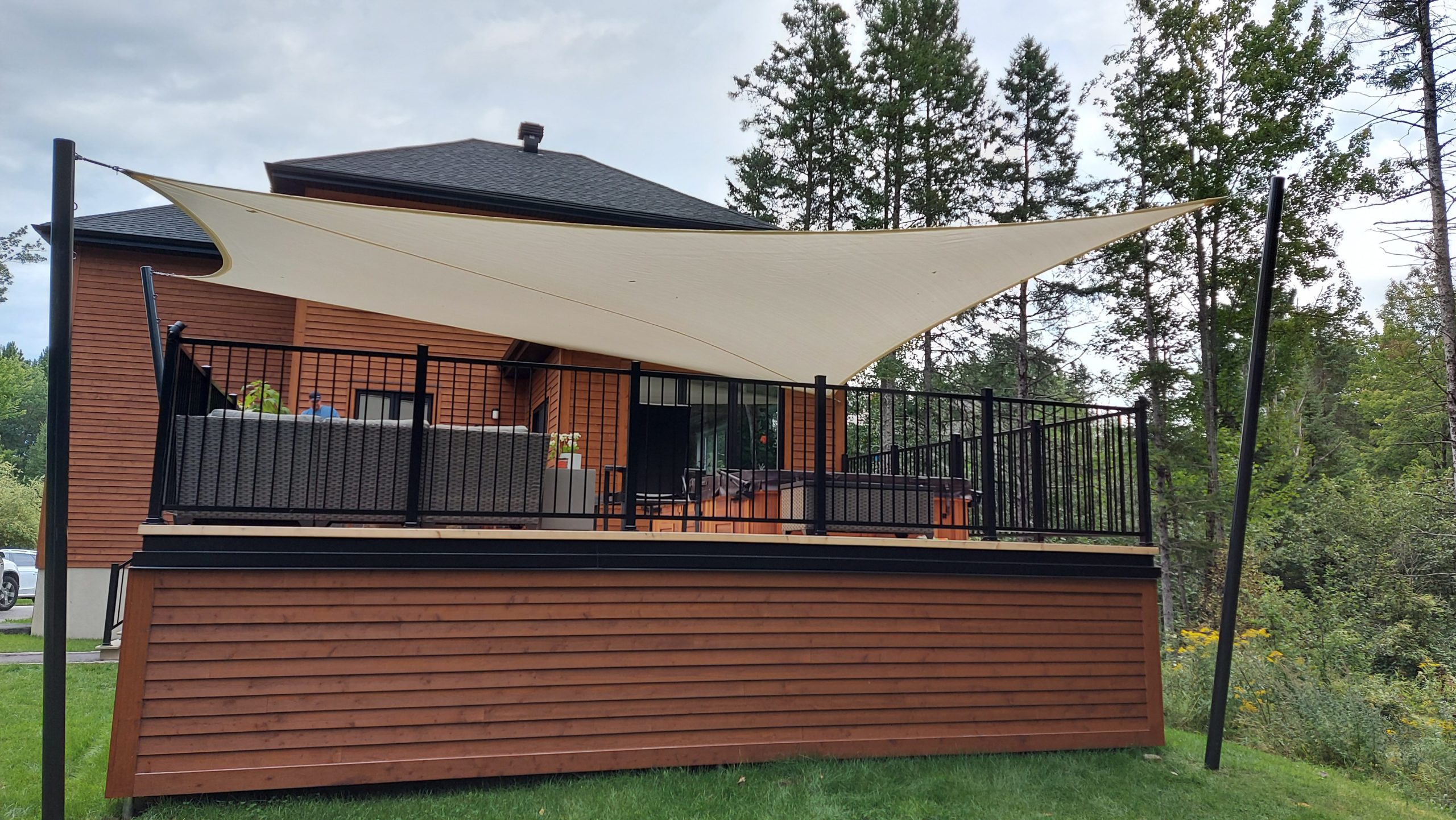
- Triangles are flexible and architectural — great for smaller spaces or layering two or three at different heights for a dramatic look.
- Squares and rectangles cover the most area for the money and suit patios, decks, and dining zones.
- Overlapping sails let you shade a larger or oddly shaped area while adding visual interest.
Size It for Real Coverage
A sail needs slack-free tension and enough overhang to be useful, so bigger anchor spans matter. Measure your space, then plan anchor points a bit beyond the area you want shaded — the angle of the sun means the shadow lands to the side, not directly underneath. When in doubt, size up.
Colour Is More Than Looks
Colour affects both style and performance. Darker fabrics block more UV and read as bold and modern, while lighter tones keep the area feeling cooler and brighter underneath. Think about how the colour plays against your house, fence, and landscaping — and remember it’s a semi-permanent feature you’ll see every day.
Get the Anchoring Right
This is where a backyard sail succeeds or fails. Sails rely on strong, properly placed anchor points — posts set in concrete, or solid attachments to the house or existing structures — to stay taut and quiet in the wind. Under-built anchors sag, flap, and wear out fast. It’s the least glamorous part of the project and the most important.
Plan for Ontario’s Seasons
Most residential sails are designed to come down for winter to avoid snow load and extend the fabric’s life. Factor an easy take-down system into your setup so putting it up in spring and down in fall is a ten-minute job, not an afternoon. (For more on year-round care, see our guide to shade sails in every season.)
Still Deciding on a Structure?
If you’re weighing a sail against other options, our breakdown of shade sails vs pergolas and gazebos covers the trade-offs in cost, flexibility, and style.
The Bottom Line
A great shade sail starts with a few good decisions: shade where you actually sit, the right shape and size, a colour you’ll love, and anchoring built to last. Get those right and you’ll add cool, usable hours to your backyard all summer long.
Not sure where to start? Book a free installation quote and we’ll help you plan a shade sail sized, shaped, and placed for your exact space.
Frequently Asked Questions
What size shade sail do I need for my backyard? Measure the area you want shaded, then plan anchor points slightly beyond it, since the shadow falls to the side rather than straight down. For patios and dining areas, a square or rectangular sail gives the most coverage; when you’re between sizes, choose the larger one.
What shape of shade sail is best? It depends on the space. Triangles suit smaller or feature areas and can be layered for a striking look, while squares and rectangles cover the most ground for dining and lounging zones. Overlapping sails work well for large or irregular spaces.
What colour shade sail blocks the most sun? Darker fabrics generally block more UV and create deeper shade, while lighter colours keep the space feeling brighter and cooler underneath. Both offer strong UV protection with quality fabric. The choice mostly comes down to style and how it complements your home.
Do shade sails need to come down in winter in Ontario? Yes, most residential shade sails are designed to be taken down before winter to avoid snow-load stress and prolong the fabric’s life. A proper take-down system makes seasonal removal and reinstallation quick and easy.